Galvanized steel is carbon steel with a bonded zinc coating, most often applied by dipping the base metal into a molten zinc bath. The zinc corrodes before the steel can, so the metal underneath stays sound for decades in conditions where bare steel would rust through in a few years.
We're Samee Metal Trading, a supplier of galvanized steel and other carbon products headquartered in Hamilton, Ontario, with a corporate office in Florida. Our family has worked with metal products for three generations and more than 30 years, and we serve customers across Canada and the U.S.A. This guide walks through how the coating gets applied, where galvanized material performs best, and what to confirm before you place an order.
How the Hot Dip Galvanizing Process Works
Before you can judge a coating spec on a mill certificate, it helps to know how the galvanization process actually unfolds at the plant. The most common method is hot dip galvanizing, and the name describes it accurately. Steel gets dipped into molten zinc held at roughly 450 degrees Celsius.
Inside the Hot Dip Kettle
The pre galvanizing work starts well before the kettle. The steel is first degreased to strip away oil and mill grime, then pickled in an acid solution that removes scale and oxides from the steel surface. A flux treatment follows, which keeps the cleaned surface from oxidizing again immediately before it enters the kettle. During immersion, the steel and the molten zinc react and form a series of zinc-iron alloy layers topped by a protective layer of pure zinc. After withdrawal, the hot dip galvanized steel is cooled and inspected for coating thickness and surface quality.
Corrosion Protection From a Metallurgical Bond
The alloy layers are the part worth understanding. Paint and other coatings sit on top of steel and can peel, flake, or lift wherever moisture creeps underneath. A hot dip coating is metallurgically bonded to the steel substrate, so it behaves like part of the steel itself. The alloy layers are actually harder than the underlying steel in many cases, which enables the material to resist abrasion during handling and installation. Freshly exposed zinc also reacts with air to form zinc oxide, a stable film that slows further attack.
Galvannealed Steel and Electro-Galvanized Variations
There are a few types beyond standard hot dip material. Galvannealed steel is passed through an extra annealing process right after the zinc bath, which converts the entire coating into a zinc iron coating with a matte grey finish. Its paint adhesion is excellent, and it welds more cleanly than standard galvanized material, which is why body-panel production lines favour it. Electro-galvanized steel takes its zinc from an electric current in an electroplating process instead of a molten bath. The result is a thinner coating with excellent consistency, suited to indoor parts and applications where a smooth surface comes first. Some coatings also blend zinc with aluminum for added barrier performance.
Galvanized Coatings and Weight Designations
Coating thickness gets specified in designations such as G60 or G90 in North America, which refer to ounces of zinc metal per square foot counting both sides of the sheet. Heavier galvanized coatings deliver more durability in aggressive conditions, so the designation you order should reflect the applications. A G90 sheet, for example, carries half again as much zinc as a G60 sheet, and the difference shows up in the long run.
Common Uses for Corrosion Resistant Galvanized Steel
Look around any building site, farmyard, or highway corridor and you'll find galvanized steel being utilized. A corrosion resistant workhorse at a fraction of what specialty alloys cost, which explains why various industries default to it.
Construction and Building Systems
Construction takes the largest share of galvanized steel demand. Structural steel framing members, purlins, decking, and light-gauge stud systems all rely on zinc coatings to survive humid interiors and exposed exteriors alike. Roofing, siding, and wall panels are frequently roll-formed from galvanized sheet, and HVAC contractors build nearly all of their ductwork from it because condensation inside an air system would eat plain steel quickly.
Outdoor Infrastructure
Outdoor infrastructure leans on galvanized steel just as heavily. Highway guardrails, transmission towers, chain-link fencing, and light poles are galvanized because repainting thousands of kilometres of hardware every few years is not a realistic way to maintain it. The durable coating handles decades of contact with the weather with no upkeep beyond an occasional inspection, and those low maintenance costs are the real benefit buyers pay for.
The Automotive Industry, Agriculture, and Everyday Uses
Zinc-coated steel is utilized throughout vehicle bodies in the automotive industry, most often in galvannealed form, to prevent rusting where road salt attacks panels. Agriculture depends on it for grain bins, gates, water troughs, and fencing that sit in the weather year-round. Even household items such as garbage cans, screws, hand tools, and outdoor brackets have relied on the same chemistry for over a century.
How Galvanized Sheet and Coil Are Supplied
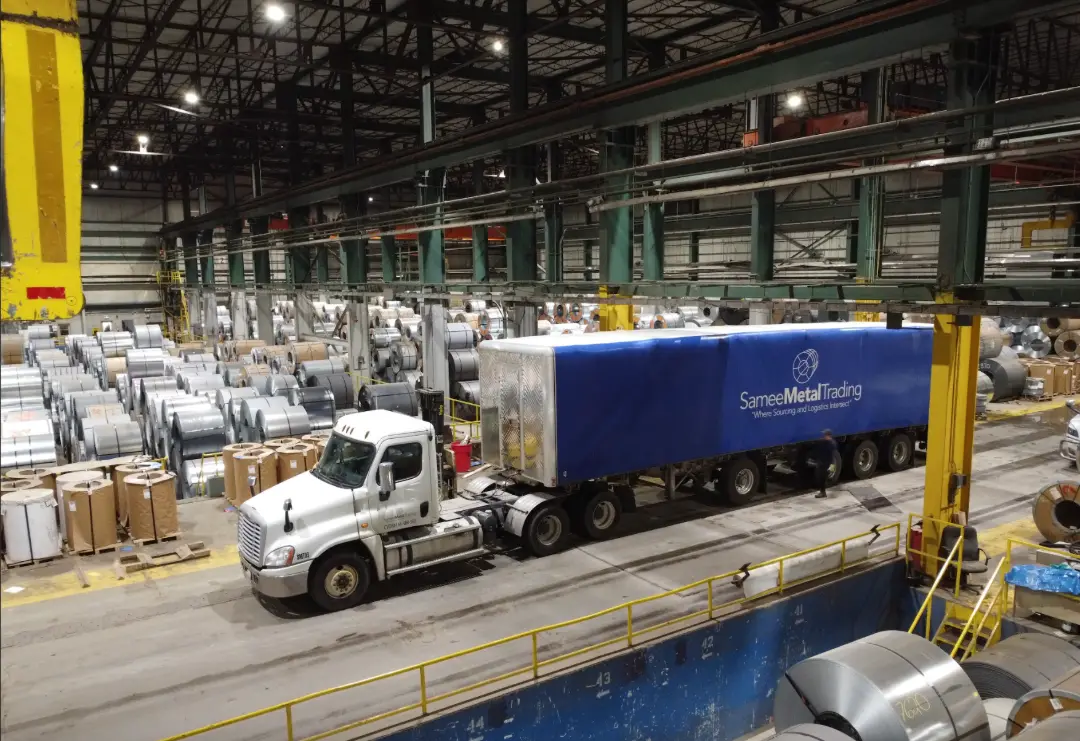
For buyers, galvanized steel commonly arrives as coil or cut-to-length sheet. Our carbon flat products, including galvanized sheet and coil, move through the same Hamilton facility where we run our warehousing and third-party logistics operations, so material we source for a customer can be stored, handled, and trucked out under one roof. Coils stored wet can develop white rust, so dry indoor handling counts for more than most buyers realize. Availability depends on specifications and supply requirements, and our sourcing network lets us track down grades and coating weights that a single mill relationship might not cover.
Buying Considerations Before You Choose Galvanized Steel
Galvanized material brings clear advantages, and a purchase order for it involves a few more decisions than one for plain hot-rolled product. Confirming those decisions up front saves rework later.
Matching Corrosion Resistance to the Service Environment
Start with the service environment. Zinc gets consumed at very different rates depending on the setting. A rural barn sees little attack, an industrial plant with airborne sulphur sees far more, and a coastal structure facing salt spray sees the most of all, so the coating class should match the harshest conditions the steel will see. Heavier coating weights carry more costs per tonne but stretch service life considerably, and the math usually favours the heavier class anywhere corrosion protection is the reason you're buying galvanized in the first place.
Fabrication Limits and High Temperatures
Fabrication plans for galvanized steel deserve equal attention. Galvanizing does not change the tensile strength of the base grade, and the coating stays intact when you bend thinner gauges. Welding galvanized material burns off zinc at the joint and releases fumes. Those fumes are a genuine health concern, so the work calls for proper ventilation, and the joint usually needs touch-up with zinc-rich paint afterward. Shearing or drilling leaves a thin line of bare steel along the cut edge.
On thinner gauges the surrounding zinc protects those edges galvanically, but heavy plate with wide cut faces carries more risk and may need additional preparation. Temperature is another boundary worth knowing. Sustained exposure above roughly 200 degrees Celsius degrades the coating, so galvanized material is not suitable for exhaust components and high heat process equipment, which call for other materials entirely.
Weighing the Cost
Price is the other side of the decision. Galvanized steel typically runs a modest premium compared to uncoated carbon steel and a small fraction of the price of stainless. Measured per year of rust-free service, galvanized steel offers high corrosion resistance at one of the lowest prices in structural metals, which is why so many engineers treat it as an economical choice by default for exposed work.
Documentation and Supplier Support
Documentation rounds out a galvanized steel order. Mill test reports should confirm the base steel grade and the coating designation, state clearly if material is hot dip or electro-galvanized, and confirm the exact specifications in writing. Ask about spangle and surface treatment too if the material will be painted, since some finishes accept coatings better than others.
Samee Metal Trading works through these details on every quote. We supply buyers across multiple industries, from construction outfits ordering coil for roll-forming to fabricators pulling cut sheet for one-off projects. Material is quoted based on specifications and availability, and we flag mismatches between the spec and the intended use before the order ships.
Frequently Asked Questions
What is the downside of galvanized steel?
Cut edges and deep scratches expose bare steel, and the coating breaks down at high temperatures, roughly above 200 degrees Celsius. Welding it releases zinc fumes that call for good ventilation. It also costs more upfront than uncoated steel, though the extended durability usually repays that premium.
Is galvanized better than stainless steel?
For most outdoor structural work, galvanized steel is often the ideal choice because it costs far less per tonne and still resists corrosion for decades. Stainless earns its price in marine settings and in food processing plants, where hygiene and washdown chemicals drive the specification. Choose based on the service environment.
Can galvanized steel rust?
Yes, galvanized steel can rust once the zinc layer has been consumed, though that takes a long time. Expect 50 years or more in a dry rural setting and 20 to 25 years in harsh industrial or coastal air. Heavier coating classes extend those figures further.
What is so special about galvanized steel?
The zinc coating protects the steel from corrosion through a combination of two effects. It forms a physical barrier against moisture, and its sacrificial nature means even a small scratch stays protected, since the surrounding zinc corrodes before the exposed steel does. Paint offers the barrier only.

Contact us for all your steel needs
Source Galvanized Sheet and Corrosion Resistant Steel Through Samee Metal Trading
Zinc bonded to carbon steel has protected structures for more than a century, and the coating delivers decades of reliable, low-maintenance service at a cost well below specialty alloys. If you have a project that calls for galvanized sheet, coil, or other carbon products, explore your options and request a quote from our team, and we'll confirm the right grade and coating class for the job.