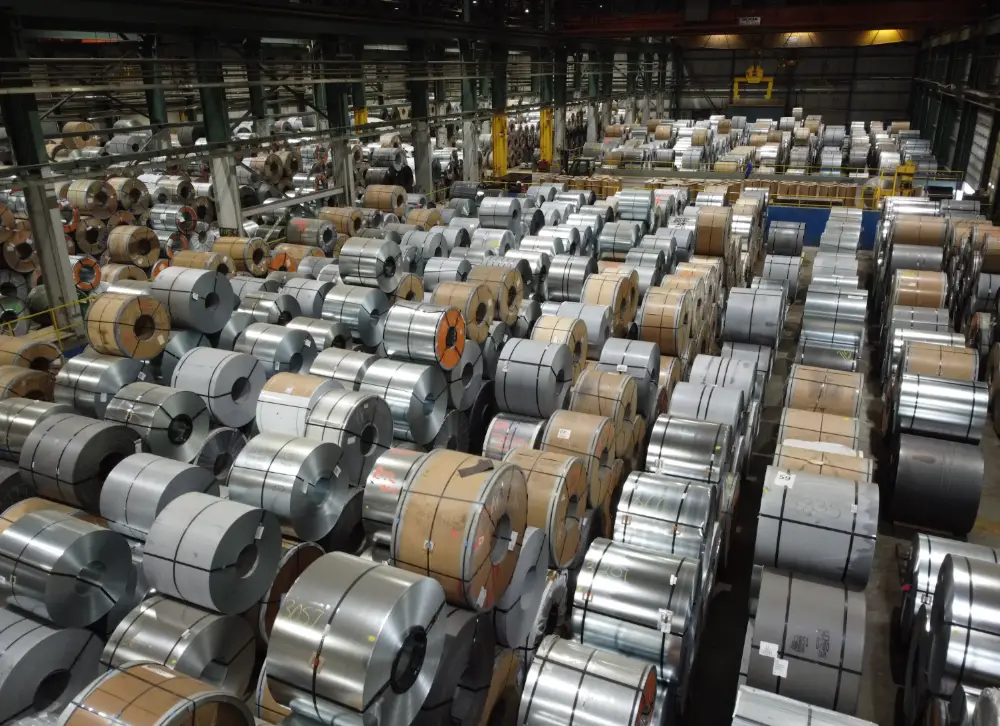
If you look at almost any flat metal product, it likely started out as a massive spool of metal. Steel coils are long, continuous sheets of flat-rolled steel that mills wound tightly together to make transportation, storage, and factory processing efficient. Instead of shipping loose, fragile sheets, producers compress kilometres of steel into dense, self-contained units. From these master spools, fabricators across Canada and the U.S. unroll, slit, and stamp the metal to create everything from structural framing to consumer goods.
As a three-generation metal trading company based in Hamilton, Ontario, Samee Metal Trading has spent over 30 years helping North American businesses source, store, and move the right steel coil for their manufacturing lines.
The Industries That Run on Steel Coils
Manufacturing and construction lines rely entirely on a steady intake of raw metal to keep their machinery moving. Because raw steel is produced in massive quantities, factories across various sectors install uncoiling systems at the front of their production lines to continuously feed their automated equipment.
Construction and HVAC
The building sector is the largest consumer of steel coils by total weight. Coils are continuously unrolled and fed into heavy roll-forming machines to shape metal roofing panels, structural wall studs, steel floor decking, and kilometres of galvanized ventilation ductwork.
Automotive and Appliances
High-volume stamping presses turn coil steel into highly precise consumer parts. The metal strip is fed into automated machinery that punches out car hoods, door panels, washer casings, and oven housings, allowing factory lines to run for hours without stopping to reload material.
Packaging and Piping
Consumer packaging and industrial transit rely heavily on automated coil processing. Specialized tin-coated coils are stamped into food cans and aerosol bodies, while heavy-gauge master coils are slit, rolled, and welded into continuous industrial piping.
Matching the Steel Grade to the Job
Selecting the right type of steel coil directly determines how a finished product will perform years down the road. Every application requires a specific balance of corrosion resistance, structural strength, and surface finish, meaning fabricators must carefully align the coil grade with their factory equipment. Explore our comprehensive inventory of raw materials through our Steel Products & Steel Trading capabilities.
Stainless Steel Coils
Stainless steel commands a premium because its corrosion resistance is built directly into the chemistry of the alloy. Cutting, drilling, or forming the metal leaves its protection completely intact, making it the ideal choice for marine hardware, chemical storage tanks, or food processing machinery.
Coated and Galvanized Coils
For outdoor applications requiring a balance of protection and affordability, coated steel is the standard choice. A hot-dip chemical process bonds a protective zinc layer to the steel strip, creating a weather-resistant barrier used heavily for agricultural buildings, metal roofing, and exterior siding.
Hot-Rolled Bare Coils
Hot-rolled steel is processed at intense temperatures at the mill, leaving the metal with a rougher, scaled finish and wider manufacturing tolerances. This cost-effective, durable option is perfect for hidden structural components, heavy machinery frames, and parts destined for a heavy paint line.
Cold-Rolled Bare Coils
Cold-rolled steel undergoes secondary processing at room temperature to compress the metal and refine its surface finish. While it delivers a smooth, highly precise gauge ideal for visible panels, the process locks stress into the metal, meaning it must be paired carefully with factory tools to prevent cracking during tight bends.
How Coils Move Safely from Mill to Machine
Winding steel into dense, heavy spools is the only practical way to transport mass quantities of flat metal across the continent. Shipping the same weight as loose, uncoiled sheets would cause immediate edge damage, multiply loading times, and quickly exhaust available trailer space.
Because a single steel coil can easily weigh as much as a fully loaded dump truck, moving and storing them requires highly specialized logistics. On flatbed trailers, coils must rest in dedicated steel cradles and be secured with heavy-duty transport chains to prevent shifting during transit. Their exact physical position over the trailer axles dictates a truck's braking safety and weight legality.
Furthermore, storing these massive units requires dedicated, climate-controlled warehousing equipped with high-capacity cranes to prevent moisture buildup and surface rust. To save fabricators the massive capital expense of managing this infrastructure themselves, Samee Metal Trading offers specialized 3PL warehousing and dedicated transport logistics from our Hamilton hub, running scheduled deliveries straight to production lines across Ontario and the U.S.
Frequently Asked Questions About Steel Coils
Can you touch a steel coil?
Yes, you can touch a steel coil, but you must always wear heavy work gloves and adhere to strict occupational safety procedures. The slit edges of processed master coils remain razor-sharp, bare metal faces are routinely treated with slick rust-preventative oil, and freshly manufactured hot-rolled products can retain extreme temperatures for hours during the initial mill cooling cycle.
How much is a coil of steel worth?
The price of a steel coil is determined directly by its metric tonnage weight, specific alloy grade, required protective coatings, and live macroeconomic variables. Because global trading values change on a daily basis, industrial customers should request a formalized quote tied directly to their planned processing schedule or delivery window.
What is the main benefit of using a steel coil?
The primary advantage of using a steel coil is maximizing high-speed production process efficiency. Storing and moving kilometres of continuous metal strip in a highly dense, stable configuration allows automated manufacturing plants to feed stamping presses and rolling mills continuously, which reduces changeover delays and cuts overall manufacturing costs.

Contact us for all your steel needs
Source Your Steel Coils Through Samee Metal Trading
Getting the exact steel grade to your production line on schedule requires a reliable supply network and heavy-duty handling capabilities. Samee Metal Trading bridges that gap by combining international brokerage reach across Canada and the U.S. with a dedicated, coil-capable logistics facility in Hamilton.
When you need expert grade advice for a difficult stamping job, current market pricing, or a complete supply-and-warehousing arrangement, our team is equipped to keep your production lines moving seamlessly. Contact Samee Metal Trading today to discuss your project requirements.