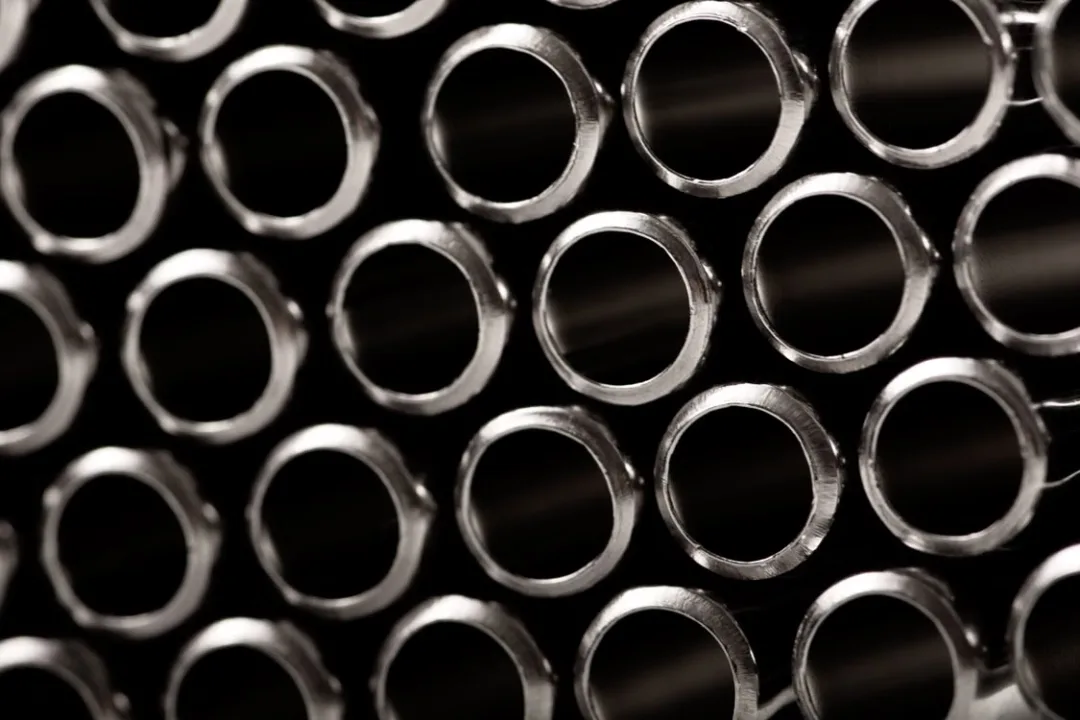
Industrial manufacturing requires flat steel products to withstand intense mechanical stress and high operating temperatures without structural warping or early failure. Aluminized steel solves this problem by bonding a corrosion-resistant surface directly to a dependable mild steel substrate. This specialized sheet goes through a molten hot-dip bath, fusing the raw strength of carbon steel with the thermal protection of a pure aluminum coating.
At Samee Metal Trading, we draw on three generations of steel industry experience and over 30 years of hands-on expertise to deliver these high-performance materials. Sourcing flat products through our global network allows us to provide dependable, high-heat solutions to fabrication and construction clients across North America.
How the Hot Dipping Process Bonds Aluminum to Steel
To produce aluminized steel efficiently, the base material steel must be immersed in a specialized molten bath. During this mill process, a steel workpiece travels through a bath of commercially pure aluminum or an aluminum-silicon alloy. This thermal dipping causes the coating to alloy directly into the underlying metal, creating a rugged protective layer that will not flake off when fabricators bend, roll, or shape the sheet.
The specialized barrier blocks moisture and salt from reaching the core, ensuring rust resistance is never compromised under harsh conditions. Just like our standard hot rolled steel products or our precisely leveled cold rolled steel products, we back these specialty materials with a 99.98% logistics success rate. Our remote inventory reports from our Hamilton facilities ensure your orders are fully accounted for before dispatch.
Heat Resistance and Why Industries Choose It
Aluminized steel maintains its structural durability at extreme temperatures where standard carbon steel products would quickly warp and scale. High heat causes rapid surface imperfections on bare steel, leading to structural failures that are prevented by the self-healing layer of aluminum oxide that forms on this material. This protective surface reflects radiant heat and easily withstands continuous exposure up to 800°F through every intensive heat cycle.
While similar to galvalume steel coil options designed for atmospheric resilience, aluminized sheet commits fully to superior high-temperature survival. Because it performs similarly to stainless steel at a much more affordable price point, this unique combination helps volume manufacturers protect their project budgets without sacrificing part longevity. Our operations handle upwards of 120,000 tons of steel per year, giving us the scale to secure these cost-effective materials directly for your project.
Common Products and Industrial Applications
From residential furnaces to industrial grain bins, aluminized steel extends the operating lifespan of common products. Industrial processing facilities widely use aluminized sheet to build corrugated roofing, heat exchangers in residential systems, and heavy-duty water heaters. Its superior atmospheric corrosion resistance makes it equally suitable for agricultural storage, outdoor heaters, and commercial baking pans that handle moisture daily. Choosing this low-maintenance material over expensive stainless grades allows companies to capture excellent rust resistance while maintaining tight project budgets.
Frequently Asked Questions
What is the difference between aluminized steel and galvalume steel?
The main difference between aluminized steel and galvalume steel is the chemical composition of their protective coatings. Aluminized steel utilizes a pure aluminum or aluminum-silicon alloy coating to withstand high heat and prevent scaling in high-temperature applications. Galvalume steel blends aluminum with zinc to maximize long-term atmospheric corrosion resistance, making it better suited for outdoor corrugated roofing and structural applications.
Why do steel mills use an aluminum-silicon alloy during steel production?
Steel mills use an aluminum-silicon alloy because it improves the metallurgical bond between the coating and the underlying steel. Adding silicon to the molten bath controls the thickness of the alloy layer that forms during the dipping process. This prevents the protective layer from becoming brittle, ensuring the metal can be stamped into complex shapes like air conditioner condenser housings or automotive exhaust pipes without cracking.
Can an aluminized coating eventually wear away and lead to rust?
Yes, if the outside aluminum coating is physically compromised or deeply scratched, rust resistance will eventually decrease and corrosion can occur. While the aluminum oxide film naturally self-heals across minor surface imperfections, deep mechanical damage exposes the mild steel substrate underneath. In high-salt environments or areas with constant moisture, the exposed underlying metal will rust if the barrier layer is completely broken.

Contact us for all your steel needs
Source Aluminized and Coated Steel Through Samee Metal Trading
Sourcing the right balance of raw material strength, thermal performance, and low maintenance requires a dependable supply network. Samee Metal Trading streamlines procurement by pairing global mill access with dedicated shipping and freight capabilities out of our Hamilton headquarters. With the capacity to ship or receive up to 5,000 tons of steel per day and an average truck dispatch time of just 15 minutes, we make sure your supply chain remains seamless. You can contact our team today with your exact specifications, and we will put together a quote on the product that fits your job.